
Advanced Care | Precise Diagnosis | Personalized Recovery Plans
What Is a Spinal Cord Injury?
Types of Spinal Cord Injuries
A spinal cord injury is classified into two main types:
1. Complete Spinal Cord Injury
In a complete SCI, there is total loss of motor and sensory function below the level of injury. Patients cannot move or feel the affected parts of the body.
2. Incomplete Spinal Cord Injury
In an incomplete SCI, some function remains. The patient may retain partial movement, sensation, or both.
Recovery is more promising in incomplete injuries.
Incomplete injuries include:
Anterior Cord Syndrome
Central Cord Syndrome
Brown-Sequard Syndrome
Posterior Cord Syndrome
Cauda Equina Syndrome
Each type affects mobility, sensation, bladder, and bowel function differently.
Common Causes of Spinal Cord Injury
Spinal cord injury can result from many factors, including:
Road traffic accidents – the most common cause in India
Fall from height
Sports accidents
Violence or assault
Industrial & occupational injuries
Birth injuries (rare)
Tumors affecting the spine
Spinal infections (Tuberculosis, osteomyelitis)
Degenerative spine diseases
Early intervention by a specialized spine surgeon like Dr. Ankit Daware ensures better neurological outcomes and faster recovery.
Symptoms of Spinal Cord Injury
Symptoms depend on the severity and location of the injury. Some commonly seen symptoms are:
Loss of movement
Loss of sensation
Difficulty in breathing
Loss of bladder or bowel control
Pain or intense stinging sensation
Muscle weakness or paralysis
Sexual dysfunction
Difficulty with balance or walking
Extreme back pain or pressure
Numbness or tingling in hands, fingers, feet, or toes
Immediate medical attention is crucial if any of these symptoms appear.
Emergency Management of Spinal Cord Injury
When a spinal cord injury occurs, the first response plays a critical role in preventing further neurological damage.
Dr. Ankit Daware and his team follow global emergency guidelines such as:
Stabilizing the spine
Preventing movement
Maintaining adequate breathing
Rapid imaging (X-ray, CT scan, MRI)
Initiating medications if required
Early surgical intervention for unstable injuries
Transferring the patient to an intensive care setting
Timely treatment decreases complications and increases chances of neurological recovery.
Diagnosis of Spinal Cord Injury
Accurate diagnosis helps determine the type, level, and severity of the injury.
Dr. Ankit Daware uses advanced diagnostic tools, including:
1. X-Ray
To detect fractures, dislocations, or spinal misalignment.
2. CT Scan
Offers detailed bone imaging, helps identify complex fractures.
3. MRI Scan
The most essential test to detect spinal cord compression, nerve damage, ligament injury, swelling, or bleeding.
4. Neurophysiological Tests
Such as EMG and NCV to check nerve conduction and muscle response.
5. ASIA Scale Classification
Used internationally to assess injury severity and predict recovery.
Accurate diagnosis ensures appropriate treatment planning.
Spinal Cord Injury Treatment by Dr. Ankit Daware
Treatment depends on the cause, severity, and level of the injury.
Dr. Ankit Daware offers a comprehensive, multidisciplinary treatment approach including surgery, medication, and rehabilitation.
1. Surgical Treatment
Surgery is recommended when there is:
Spinal cord compression
Unstable spine fractures
Bone fragments pressing the cord
Herniated discs causing nerve injury
Tumors or infections compressing nerves
Worsening neurological deficits
Common Surgical Procedures Include:
Spinal Decompression Surgery
removes pressure from the spinal cord caused by bone fragments, disc material, or swelling.
Laminectomy
removal of the lamina to create more space for the spinal cord.
Discectomy
removal of damaged or herniated discs.
Spinal Fusion Surgery
joining two or more vertebrae to stabilize the spine using implants.
Instrumentation & Stabilization
metal screws, rods, and cages are used to support the spine and prevent further injury.
Minimally Invasive Spine Surgery (MISS)
smaller incisions, less blood loss, faster recovery.
Dr. Ankit ensures precision using advanced surgical technologies for safer outcomes.
2. Non-Surgical Treatment
Not all spinal cord injuries require surgery.
Non-surgical care includes:
Medication to reduce inflammation
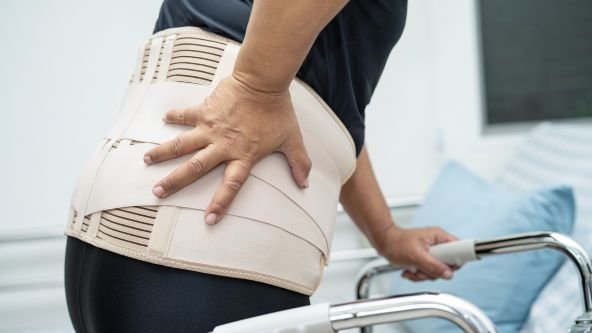
Neck or back bracing
Pain management
Physiotherapy and rehabilitation
Occupational therapy
Lifestyle modification
Regular follow-ups
For incomplete injuries, non-surgical management with focused rehabilitation often results in significant improvement.
Rehabilitation for Spinal Cord Injury
Rehabilitation is the most crucial part of recovery.
Dr. Ankit Daware works closely with physiotherapists, occupational therapists, speech therapists, and psychologists to create personalized recovery plans.
Rehabilitation Goals Include:
Improving mobility
Restoring muscle strength
Developing daily living skills
Managing bowel and bladder function
Improving balance and coordination
Teaching wheelchair mobility skills
Enhancing breathing capacity
Providing psychological support
Improving overall quality of life
Physiotherapy for Spinal Cord Injury
A structured physiotherapy program includes:
Range-of-motion exercises
Strengthening exercises
Balance and gait training
Body-weight supported treadmill walking
Functional electrical stimulation (FES)
Hydrotherapy
Posture training
Transfer training
Wheelchair skills
Breathing exercises
Physiotherapy helps regain functional independence and reduces long-term complications.
Occupational Therapy
This helps patients perform daily activities such as:
Dressing
Grooming
Eating
Bathing
Writing
Using adaptive devices
Occupational therapy promotes independence and confidence.
Long-Term Complications of Spinal Cord Injury
Without proper care, SCI may lead to various complications such as:
Pressure ulcers
Muscle spasms
Chronic pain
Bladder infections
Breathing issues
Bone thinning
Blood clots
Autonomic Dysreflexia
Sexual dysfunction
Depression or anxiety
Regular checkups with Dr. Ankit Daware help monitor and reduce such complications.
Spinal Cord Injury Recovery – What to Expect
Recovery varies from patient to patient depending on:
Type of injury
Severity of damage
Level of injury
Age and overall health
Timeliness of treatment
Quality of rehabilitation
Key Recovery Points:
Most improvements occur within the first 6 months.
In incomplete injuries, patients often regain significant function.
Early surgery improves mobility outcomes.
Intensive rehabilitation enhances neurological recovery.
Lifestyle, diet, and psychological support play a major role.
Dr. Ankit ensures that every patient receives continuous guidance through each recovery phase.