
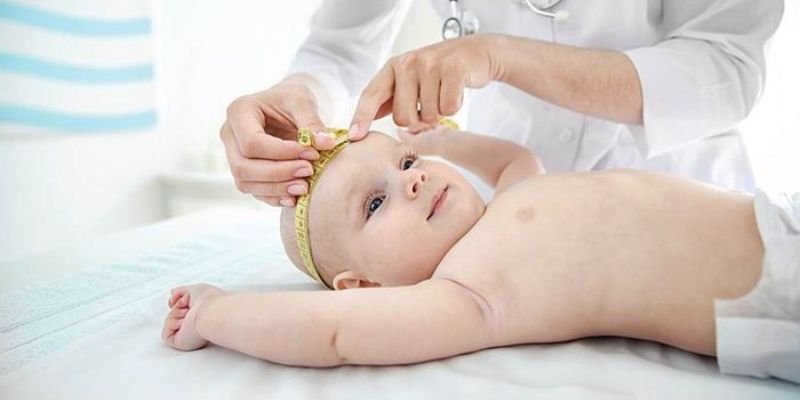
Why Choose Paediatric Neurosurgery for Children?
The nervous system in children is delicate, rapidly growing, and responds differently compared to adults. Conditions like congenital brain abnormalities, spinal deformities, hydrocephalus, seizures, and tumours need early detection and precise treatment to prevent long-term complications.
Paediatric neurosurgery focuses on:
Protecting the developing brain
Restoring neurological function
Ensuring normal growth and development
Minimising surgical risks
Providing long-term rehabilitation and support
With specialised tools, advanced imaging, and child-focused treatment protocols, paediatric neurosurgery offers hope and improved quality of life for children facing neurological challenges.
About Dr. Ankit Daware – Paediatric Neurosurgeon in Nagpur
Dr. Ankit Daware is recognised for his clinical excellence in diagnosing and treating complex paediatric brain and spine conditions. He combines modern surgical technologies with evidence-based medicine to deliver high-quality neurosurgical care for children.
Highlights of Dr. Ankit Daware’s Expertise
Specialised training in Paediatric Neurosurgery
Expertise in brain tumours, hydrocephalus, congenital anomalies, epilepsy surgery, and spinal disorders
Skilled in minimally invasive and endoscopic neurosurgery
Child-friendly consultation and counselling
High surgical success rate with reduced complications
Focus on long-term developmental outcomes
Parents trust Dr. Daware not only for his surgical competence but also for his honest guidance, transparent communication, and comforting approach that helps families feel safe and reassured during difficult times.
Conditions Treated in Paediatric Neurosurgery
1. Hydrocephalus (Water Accumulation in the Brain)
Hydrocephalus occurs when cerebrospinal fluid (CSF) builds up inside the brain, leading to increased pressure that can damage brain tissues.
Symptoms in Children
Enlarged head size
Bulging fontanelle (soft spot)
Irritability
Vomiting
Delayed milestones
Treatment Options
VP Shunt Surgery (Ventriculoperitoneal Shunt)
Endoscopic Third Ventriculostomy (ETV) – a minimally invasive technique
Early treatment prevents developmental delays and improves brain function significantly.
2. Paediatric Brain Tumours
Brain tumours in children can be benign or malignant. Prompt diagnosis and surgery are crucial for long-term outcomes.
Symptoms
Persistent headache
Vomiting
Balance issues
Seizures
Vision problems
Treatment Services
Microsurgery for tumour removal
Endoscopic tumour surgery
Stereotactic guidance for precision
Rehabilitation post-surgery
Dr. Daware uses advanced technologies to remove tumours safely while preserving brain function.
3. Congenital Brain & Spine Malformations
Children may be born with structural abnormalities such as:
Spina Bifida
Chiari Malformation
Dandy–Walker Syndrome
Encephalocele
Craniosynostosis (premature skull fusion)
Early surgical correction helps in preventing long-term neurological problems and supports normal growth.
4. Epilepsy & Refractory Seizures
When seizures do not respond to medications, epilepsy surgery may be required.
Paediatric Epilepsy Surgery Includes
Lesionectomy
Temporal lobectomy
Corpus callosotomy
Functional hemispherectomy
These procedures can drastically improve the child’s quality of life and reduce dependence on long-term medications.
5. Traumatic Brain Injury (TBI)
Accidents, falls, and injuries can cause brain swelling, bleeding, or skull fractures in children.
Treatment Goals
Reduce pressure on the brain
Remove blood clots
Stabilise the child’s neurological status
Prevent long-term complications
Paediatric TBI management is done with utmost care and precision.
6. Spinal Cord Disorders
Dr. Daware manages conditions like:
Spinal tumours
Tethered cord syndrome
Congenital spinal defects
Scoliosis-related neurological issues
Early intervention helps prevent weakness, paralysis, and bladder/bowel issues.
7. Infections of the Brain & Spine
Children sometimes suffer from infections like:
Brain abscess
Meningitis-related complications
Spinal infections
Neurosurgical treatment may be required to drain abscesses or stabilise affected tissues.
8. Craniofacial Abnormalities
Surgery for craniofacial defects helps restore both appearance and brain development.
Skull reshaping
Cranial vault reconstruction
Minimally invasive endoscopic correction
These surgeries help in improving head shape, vision, breathing, and brain growth.
Advanced Diagnostic Facilities
Accurate diagnosis is essential for successful paediatric neurosurgery.
Dr. Ankit Daware uses:
High-resolution MRI
CT scan
Neurosonography
EEG & Video EEG for epilepsy
3D imaging
Neuro-navigation systems
These tools enable precise treatment planning with minimal risk.
Surgical Expertise & Techniques Used
Dr. Daware specialises in using modern and minimally invasive techniques to ensure faster recovery and fewer complications for children.
Techniques Include
Endoscopic neurosurgery
Neuro-navigation guided surgery
Minimally invasive spine surgery
Microsurgery
Shunt surgeries
Craniofacial reconstruction
Each surgical plan is customised as per the child’s condition, age, and developmental needs.
Pre-Surgical Assessment for Children
Before surgery, a thorough evaluation is performed:
Complete neurological examination
Imaging and diagnostic tests
Anaesthesia assessment
Counselling with parents
Growth & development analysis
Parents are guided throughout the process to reduce stress and ensure clarity.
Post-Surgical Care & Rehabilitation
Recovery does not end with surgery. Children require continued support to regain strength and function.
Post-Surgery Care Includes
Continuous monitoring
Pain management
Physiotherapy
Occupational therapy
Speech therapy (if needed)
Nutritional support
Regular follow-ups
The focus is on restoring normal developmental milestones and ensuring long-term neurological health.
Family-Centred Care Approach
Dr. Ankit Daware believes that families play the most important role in a child’s recovery. Therefore, he adopts a family-inclusive approach that involves:
Transparent communication
Clear explanation of treatment options
Counselling sessions
Guidance for home care
Emotional support for parents
Parents are encouraged to ask questions and participate actively in the treatment plan