
About Dr. Ankit Daware – Experienced Brain & Spine Surgeon in Nagpur
Dr. Ankit Daware is a reputed neurosurgeon delivering advanced brain and spine treatments with high clinical success rates. His expertise lies in minimally invasive neurosurgery, neuro-trauma management, brain tumor surgery, vascular neurosurgery, endoscopic brain surgery, and complex skull-base procedures.
Highlights of His Expertise
Highly trained in advanced neuro-surgical techniques
Specialized in both minimally invasive and complex brain surgeries
Uses high-precision tools such as neuronavigation, microscopes, and neuro-endoscopy
Experienced in treating emergency neuro-trauma cases
Focused on patient safety, faster recovery, and exceptional care
His patient-centric approach ensures that individuals receive not only accurate treatment but also emotional support throughout the surgical journey.
What Is Brain Surgery?
Brain surgery, also called neurosurgery or cranial surgery, is a procedure performed to correct structural, functional, or pathological abnormalities in the brain. These abnormalities may result from tumors, injuries, bleeding, infections, nerve compression, congenital defects, or degenerative conditions.
Brain surgery today is far more advanced, safe, and minimally invasive than ever before due to improvements in:
High-resolution imaging
Computer-guided navigation
Endoscopic procedures
Robotic assistance
Microsurgical techniques
Dr. Ankit Daware combines these cutting-edge tools with deep surgical expertise to ensure high success and safety.
Conditions Treated with Brain Surgery
Dr. Ankit Daware provides treatment for a wide range of neurological disorders requiring surgical intervention.
1. Brain Tumors
Glioma
Meningioma
Pituitary tumors
Acoustic neuroma
Metastatic tumors
He performs advanced tumor resections using minimally invasive and endoscopic techniques.
2. Brain Hemorrhage & Stroke
Intracerebral bleeding
Subarachnoid hemorrhage
Clot removal
Aneurysm clipping
AVM (Arteriovenous Malformation) repair
3. Traumatic Brain Injury
Skull fractures
Hematomas (EDH, SDH)
Brain swelling
Penetrating injuries
Fast intervention in trauma saves lives—Dr. Daware is known for handling critical cases.
4. Hydrocephalus
Excess fluid buildup in the brain
Treated using shunts or endoscopic third ventriculostomy (ETV)
5. Skull Base Disorders
Tumors at the skull base
Congenital deformities
Vascular abnormalities
6. Epilepsy Surgery
For patients not responding to medication
Removal of seizure-generating brain areas
7. Trigeminal Neuralgia & Facial Pain
Microvascular decompression
Nerve decompression procedures
8. Brain Infections
Abscess drainage
Surgical management of severe meningitis complications
9. Congenital Brain Defects
Chiari malformation
Craniosynostosis
Anomalies affecting infants and children
Symptoms That May Require Brain Surgery Consultation
You should consult a neurosurgeon like Dr. Ankit Daware if you experience:
Frequent or severe headaches
Sudden visual disturbances
Seizures or fits
Loss of balance or coordination
Weakness in limbs
Difficulty speaking or understanding
Behavioral changes
Chronic facial pain
Memory loss or confusion
Sudden unconsciousness
Persistent vomiting with severe headache
Early detection leads to better outcomes.
Diagnosis Before Brain Surgery
Accurate diagnosis is essential, and Dr. Daware performs a detailed assessment, which includes:
1. Clinical Examination
A thorough neurological evaluation to check reflexes, balance, muscle strength, coordination, and cognitive function.
2. Imaging Tests
MRI Scan (primary tool for detailed brain imaging)
CT Scan (useful for trauma, bleeding, skull fractures)
MRA / MRV (vascular imaging)
Angiography (blood vessel analysis)
PET Scan (for tumor activity)
3. EEG / Video EEG
To detect abnormal electrical activity in the brain.
4. Biopsy
For confirming tumor type if needed.
Each patient receives personalized evaluation to determine whether surgery is necessary.
Types of Brain Surgeries Performed by Dr. Ankit Daware
Brain surgery is not “one type”—it includes several advanced procedures.
1. Minimally Invasive Brain Surgery
Involves small incisions, less pain, faster recovery, and lower risk.
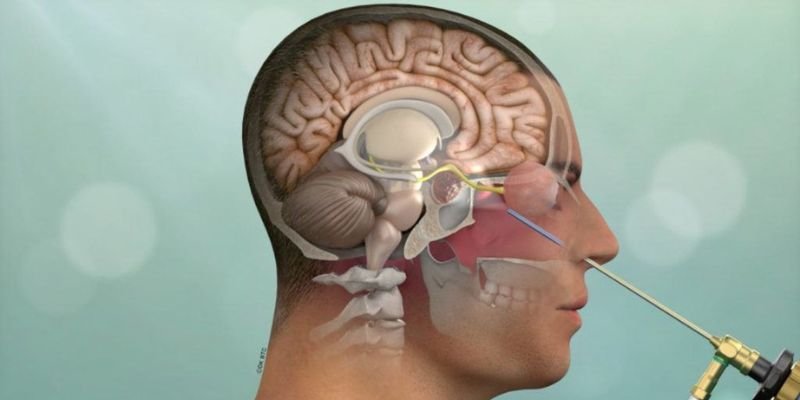
2. Endoscopic Brain Surgery
A tiny camera is inserted to remove tumors or correct abnormalities through small openings.
Ideal for:
Pituitary tumors
Ventricular tumors
Cysts
Hydrocephalus (ETV)
3. Microsurgery
Microscopic tools help remove tumors or repair delicate structures with high accuracy.
4. Craniotomy
A portion of the skull is temporarily removed to access the brain.
Used for:
Large tumors
Hemorrhages
Trauma
Vascular repairs
5. Awake Brain Surgery
The patient remains awake (pain-free) so surgeons can monitor speech, movement, and memory during tumor removal.
Useful for tumors near:
Speech centers
Motor cortex
Memory areas
6. Stereotactic Surgery
Uses 3D navigation for pinpoint accuracy.
Used for biopsies, tumor removal, and deep brain procedures.
7. Cerebrovascular Surgery
For stroke, aneurysms, AVMs, and blood vessel malformations.
8. Skull Base Surgery
Advanced surgery for tumors near critical nerves and vessels.
9. Epilepsy Surgery
Removes the abnormal focus causing seizures.
10. Pediatric Neurosurgery
For congenital and developmental brain conditions.
Dr. Daware selects the safest and most effective surgical option based on the patient’s condition.
Treatment Approach by Dr. Ankit Daware
1. Comprehensive Assessment
Complete neurological evaluation and advanced imaging to understand the condition clearly.
2. Customized Treatment Plan
Every patient receives a personalized plan based on:
Age
Symptoms
Tumor location / size
Underlying medical conditions
3. Minimally Invasive Preference
Whenever possible, Dr. Daware prefers minimal-access surgery to reduce recovery time.
4. High Precision Techniques
Using:
Neuronavigation
Intraoperative monitoring
Neuro-endoscopy
Microsurgery
5. Multidisciplinary Care
Collaboration with radiologists, oncologists, neurologists, and rehabilitation teams.
6. Fast Recovery & Rehabilitation
Patients receive detailed guidance on:
Medication
Physiotherapy
Occupational therapy
Diet & lifestyle changes
Benefits of Advanced Brain Surgery
Higher success rates
Less bleeding
Reduced infection risk
Minimal scarring
Faster healing
Shorter hospital stay
Improved neurological function
With modern tools and expertise, many brain surgeries today are safer and more effective.
Post-Operative Care & Recovery
After brain surgery, proper care is extremely important.
1. Hospital Recovery
Most patients stay 2–7 days, depending on the procedure.
2. Pain & Swelling Management
Medicines are prescribed to manage discomfort.
3. Long-Term Recovery
Regular follow-ups
Physiotherapy
Speech therapy (if required)
Lifestyle modifications
4. Emotional Support
Some patients may feel anxious or depressed; counseling and family support help in faster recovery.
5. Preventing Complications
Avoiding smoking, alcohol, heavy activities, and stress is recommended during the healing period.
Rehabilitation for Stroke-Induced Paralysis
Dr. Ankit Daware emphasizes early, structured, and multi-disciplinary rehabilitation.
1. Physiotherapy
To improve muscle strength, mobility, and walking ability.
2. Occupational Therapy
Helps the patient perform daily activities like eating, bathing, dressing, etc.
3. Speech Therapy
For patients with speech or swallowing difficulties.
4. Psychological Support
Stroke can cause depression, anxiety, and emotional changes.
5. Lifestyle Modification
To avoid future stroke occurrences.